
Founder Story / Episode 01
ArticleWhy I Built ATLAS: The People Behind the Intelligence Era
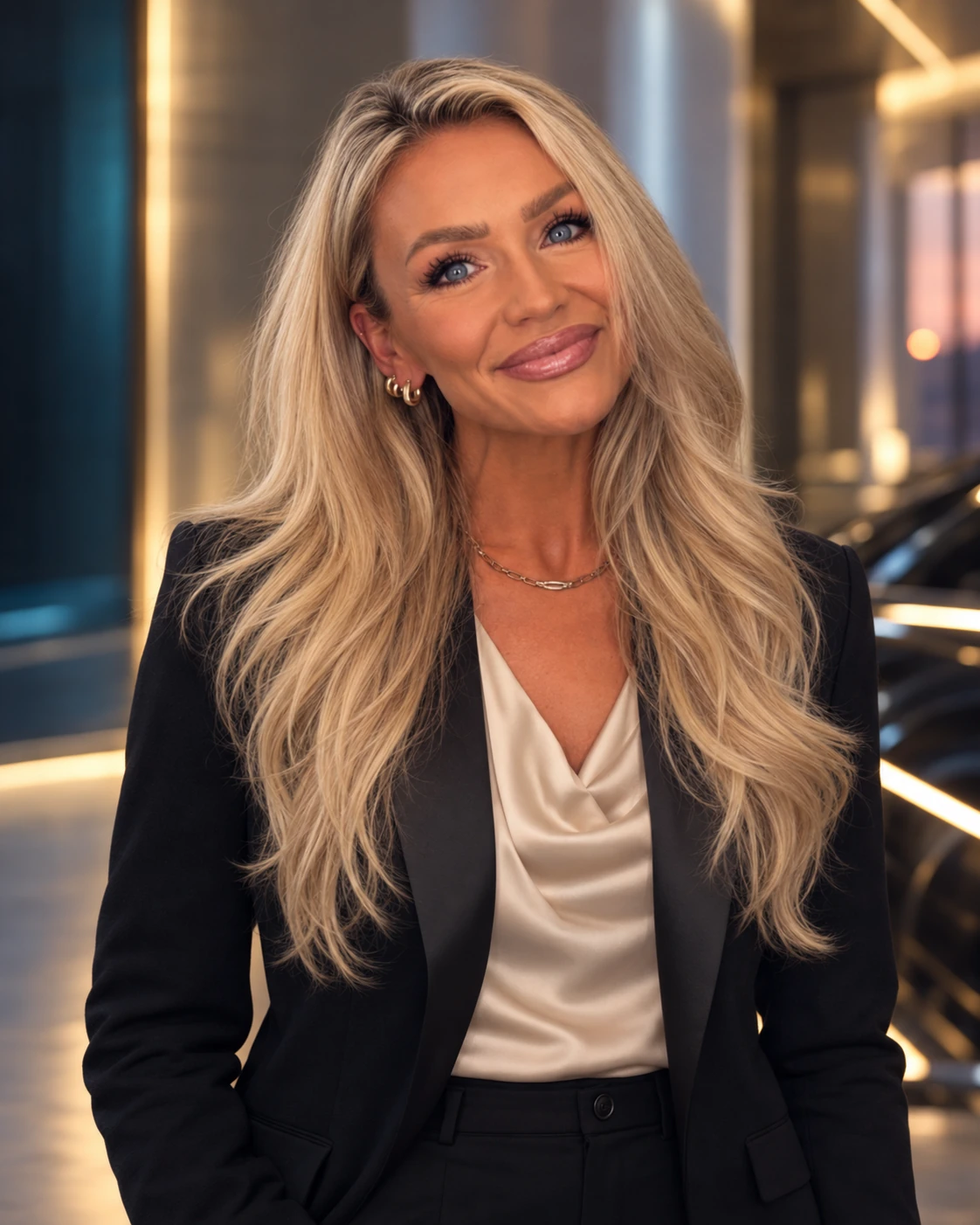
By Alexis Cain, Founder & Chief Intelligence Interpreter, ATLAS Automotive Intelligence
Before we ask people to trust artificial intelligence, we owe them a meaningful way to understand it.
That belief is one of the reasons I created ATLAS Automotive Intelligence. It connects my background in family dealerships, my years in automotive technology and software, and the responsibility I feel toward the people navigating change in this industry.
The beginning of ATLAS is personal. It is also practical. I want to help people ask better questions, connect technology to the work they know, and make decisions with more understanding. I want the conversation about AI to leave room for the people whose lives and responsibilities it touches.
My connection to automotive began with everyday work
I grew up in and around family dealerships. My own experience included reception and service filing. I learned about the business from the ground up, and those experiences shaped what I notice when I look at an operation today.
A customer sees an interaction. Behind it are people answering questions, keeping information organized, coordinating work, and helping other people reach the right next step. Some of that effort is easy to recognize. Some of it becomes visible only when a detail is missing or a handoff does not happen.
I have deep respect for dealership employees. Their knowledge includes the formal process and the exceptions they have learned to recognize. A person's ability to explain what really happens in their department is an asset to any conversation about changing it.
When I think about the future of automotive, those are the people I think about. I want technology decisions to respect the experience they carry and the relationships they help build.
Technology brought a new set of questions
Later, I moved into automotive technology and software, spending years helping dealerships understand and adopt new tools. That work deepened my interest in translating complexity into something useful.
An explanation has to connect to the real operation. What changes for an employee? What should the customer experience? Who owns the process? What happens when a request falls outside the expected path?
Consider a fictional dealership introducing a new system for customer requests. A clear demonstration can show how information appears on a screen. The team still needs to decide who receives an exception, who follows up, and how someone corrects an error. Those details connect the technology to a working day.
That is why I approach adoption as a leadership and education responsibility. A tool can create an opportunity. People need the understanding, practice, and support to make good decisions around it. I want those needs considered early, while the process is still being designed.
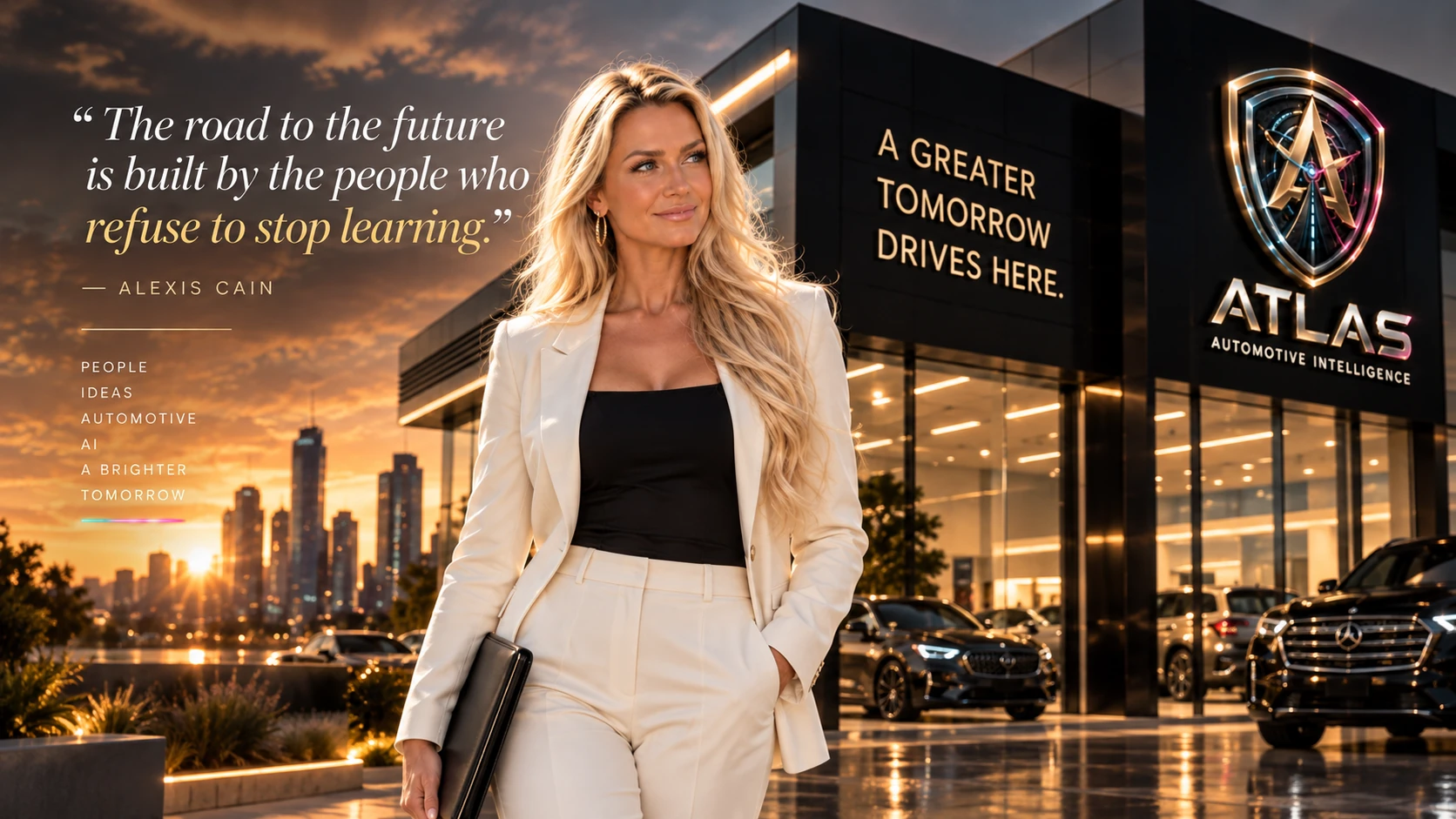
“Before we ask people to trust artificial intelligence, we owe them a meaningful way to understand it.”Alexis Cain
AI made the need for understanding feel more urgent
As AI became part of these conversations, I saw excitement, confusion, and fear. Questions about a tool could quickly become questions about a person's career or the future of a department.
I kept returning to the same concern: had people been given enough time and resources to understand what they were being asked to prepare for?
A person can know their work deeply and still be unfamiliar with AI vocabulary. A leader can be interested in innovation and still need a basic explanation. Someone can ask a skeptical question because they care about the outcome.
Those starting points deserve respect. I do not want an unfamiliar term to make someone feel their experience no longer matters. I want to help them connect what they already know to what they need to learn.
This is a central reason ATLAS exists: to make understanding more accessible, so people can participate in decisions with greater confidence.
What I mean by confidence
Our mission is helping humanity confidently navigate the Intelligence Era.
For me, confidence includes the ability to recognize uncertainty. It can sound like, “I understand this use well enough to evaluate it.” It can also sound like, “I know which questions still need answers.”
That distinction matters. If education leaves a person feeling certain about claims they cannot examine, it has not served them well. I want an ATLAS lesson to give people a clearer explanation, a useful question, or a practical way to evaluate the next decision.
My role as Chief Intelligence Interpreter reflects that purpose. I want to study complex developments, translate them into plain language, and connect them to the responsibilities people carry. That role also requires boundaries: recognizing when specialist expertise is needed, distinguishing evidence from expectation, and correcting mistakes openly.
Trust should be earned through that work. A founder story can explain why I care. The quality of the work that follows must demonstrate how I serve.
Why I am hopeful about AI
I believe technology should strengthen people. I want it to support useful work, improve access to information, and protect time for relationships, judgment, and care.
That is a direction to work toward. It is not a promise that every task or role will remain unchanged. Honest preparation has to acknowledge that people can experience disruption and that outcomes will differ.
Hope becomes useful when it is connected to choices. Leaders can explain the purpose of a proposed change. Employees can help describe the actual workflow. Teams can test a limited use and examine whether it helps. A recommendation can change when the evidence changes.
These actions do not remove every uncertainty. They give people ways to participate responsibly. That is the form of optimism I want ATLAS to bring: ambitious about what might improve and attentive to the people affected by the decisions.
Start with a task people understand
Here is a fictional example. An employee uses an organization-approved AI tool to prepare a draft explanation of an internal process. The information is approved for that use, and no customer record is needed. The employee reviews the result before sharing it.
The review asks practical questions. Does the draft match the actual process? Is an exception missing? Does the wording create a promise the organization cannot keep? Will the reader understand what to do next?
Generative AI can produce incorrect content that sounds plausible. A polished draft still needs appropriate verification. NIST's Generative AI Profile discusses this risk under confabulation; the source is linked below.
The purpose of this example is to make the decision visible. A draft may be useful support. The employee still needs the knowledge, time, and authority to decide whether it is ready to use. The outcome we care about is a clear and accurate explanation for the reader.
“Hope becomes useful when it is connected to choices.”Alexis Cain
The people doing the work belong in the discussion
If you are considering a change to reception, ask the people who answer the calls what they need. If you are changing a service handoff, understand what the next employee needs to receive. Ask about the exceptions that do not appear in the ideal version of a process.
These are my recommendations for thoughtful adoption. They are not a claim that every organization has the same needs or that one conversation resolves every risk. They are a way to build understanding before a decision becomes someone else's daily responsibility.
I want employees to feel able to say, “Here is what this process misses.” I want leaders to have enough context to evaluate that observation. I want the customer experience to remain part of the definition of success.
Respect becomes practical when it changes who is heard, what is tested, and how a decision is made.
The legacy I want ATLAS to help create
I think about the generations who will inherit the tools and habits we develop now. The technology will change. The way we teach people to learn can have a longer life.
I want future generations to see that asking a basic question is compatible with leadership. I want them to see evidence examined carefully and corrections made without defensiveness. I want them to inherit the confidence to participate in decisions that affect their work and communities.
My aspiration is to help businesses, people, and communities become stronger through their ability to understand change and lead through it. That is a large mission, and it will be built through useful work over time.
It can begin with one lesson someone understands. One question someone feels comfortable asking. One employee whose experience helps improve a decision. Those are meaningful places to begin.
An invitation to learn together
This is the official beginning of the ATLAS story. In the work ahead, we will explore AI foundations, practical applications, limits, leadership, and the relationships technology should serve. We will distinguish documented facts, fictional teaching examples, recommendations, and forecasts.
You can begin with one question. What have you heard about AI that you want explained clearly? What decision at work would benefit from better understanding? What would you want to verify before relying on a new tool?
Bring that question. Bring your experience, too. The knowledge you have built in your work belongs in this conversation.
I am hopeful about what we can learn together, and serious about the responsibility that comes with that hope.
What is one question about AI you would like ATLAS to explain?
Source for the factual point about inaccurate generated content: NIST AI 600-1, Generative Artificial Intelligence Profile, July 2024. The dealership scenarios and leadership recommendations above are illustrative and editorial; they are not presented as measured customer results.
A note on this edition
Founder values, fictional teaching examples, recommendations, and factual claims retain the distinctions in the supplied text.
Behind the writing
Sources & reading references
- NIST AI 600-1 · Generative Artificial Intelligence Profile (July 2024)
Section 2.2 supports the point about confidently incorrect generated content, not the fictional examples or ATLAS outcomes.
Notes on the reading
- Why I Built ATLAS: The People Behind the Intelligence EraValues
- The founder's purpose and educational commitments. This is a statement of values, not evidence of a measured outcome.
- My connection to automotive began with everyday workFounder account
- Alexis's personal account of her dealership experience and what it taught her. A personal account is not independent evidence about all dealerships.
- Technology brought a new set of questionsFounder account
- The career perspective is the founder's account. The dealership system described within this section is explicitly fictional; no customer result is claimed.
- Technology brought a new set of questionsIllustrative example
- The fictional dealership and its handoffs make a question concrete. This is not a case study, product validation, or measured implementation.
- AI made the need for understanding feel more urgentFounder account
- The founder describes concerns she encountered and her motivation. This is not a survey or a claim about how frequently every employee feels this way.
- What I mean by confidenceValues
- An educational definition and a commitment to acknowledging uncertainty. Recognizing an unknown is not a readiness score, guarantee, or certification.
- Why I am hopeful about AIValues
- Hope and the desire for technology to strengthen people are aspirations. The section explicitly does not promise unchanged roles or future outcomes; it is not a quantified forecast.
- Start with a task people understandIllustrative example
- The employee, organization-approved tool, and internal-process draft are fictional teaching context. Suitability, permissions, and effectiveness in a real dealership are not established by this example.
- Start with a task people understandOperational Reality
- Only the factual point that generative AI can confidently produce incorrect content is externally supported here: NIST AI 600-1, section 2.2 (Confabulation). The source does not validate the fictional workflow or ATLAS outcomes.
- The people doing the work belong in the discussionRecommendation
- Editorial recommendations to hear employees, examine exceptions, and include customer experience. These are not claims that one conversation resolves every risk.
- The legacy I want ATLAS to help createValues
- The founder's long-term aspirations, not a prediction, proven business impact, or promise about future generations.
- An invitation to learn togetherValues
- An invitation and statement of editorial intent. Emerging capabilities, forecasts, scenarios, and unknowns require their own treatment when a future article actually makes those claims.